
USDT vs USDC Betting: Which Stablecoin Is Better for Wagering?
 Available in AU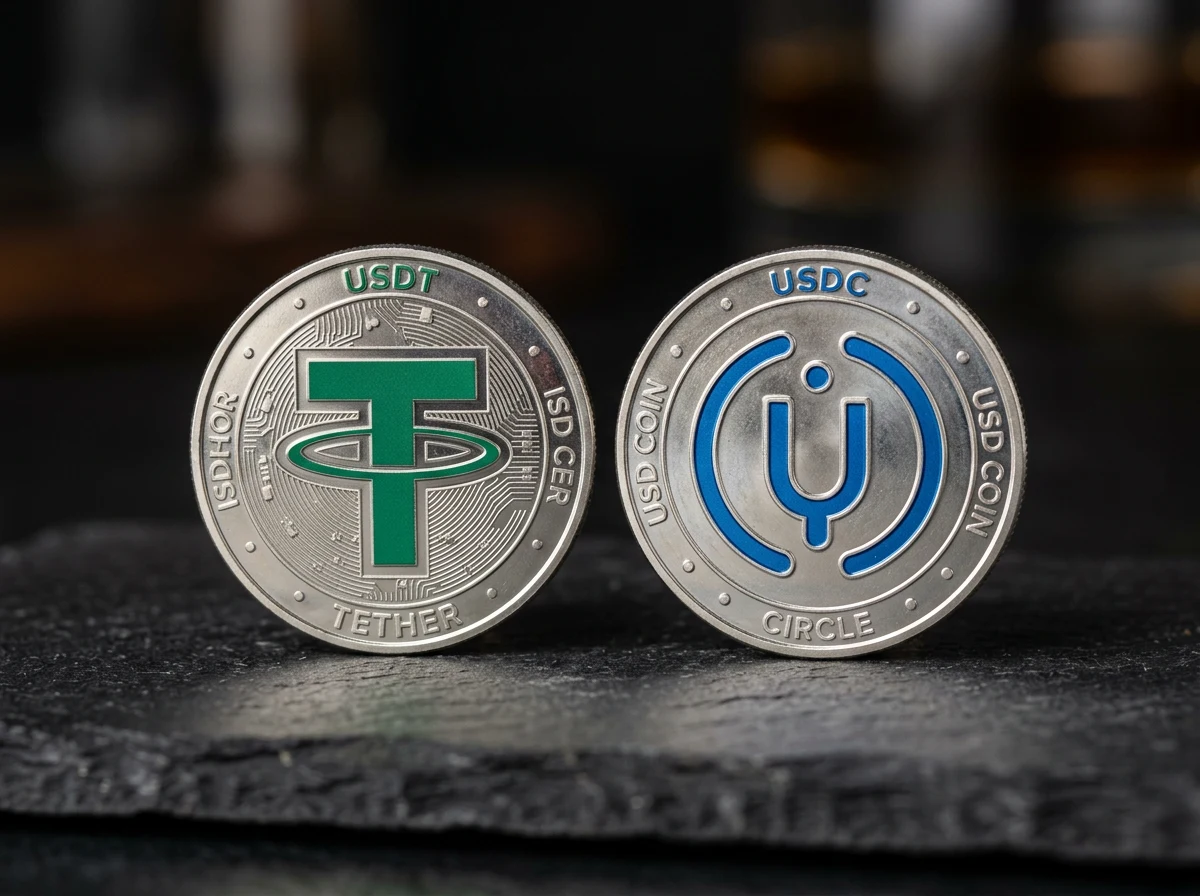
I held both USDT and USDC for a full year of parallel betting across identical platforms before I formed a confident view on which one to default to. The answer is less obvious than the crypto betting community makes it sound. USDT dominates by market share. USDC leads on regulatory credibility. For Australian bettors, the deciding factors are surprisingly practical: which one does your sportsbook accept, and what does the conversion cost you?
The two stablecoins together account for roughly 89% of all stablecoin gambling transactions. Choosing between them is not a matter of finding the “better” coin — both peg to the US dollar, both operate on multiple blockchains, and both function identically as a wagering currency. The differences sit in the infrastructure around them: platform acceptance, regulatory status, fee structures, and what happens when regulation shifts the landscape.
Which Stablecoin Do More Sportsbooks Accept?
USDT wins the platform acceptance question decisively, and it is not close. Tether controls approximately 59% of the global stablecoin market capitalisation, and every crypto sportsbook I have tested accepts USDT deposits. It is the default stablecoin in the iGaming ecosystem — the one that appears first in the deposit dropdown, the one that denominated the first crypto bets I ever placed.
USDC acceptance is growing but remains secondary. Roughly 60% to 70% of the crypto sportsbooks I have tested accept USDC alongside USDT. The platforms that do not support USDC tend to be smaller operators or those focused on the Asian market, where USDT dominance is even more pronounced.
For Australian punters, this acceptance gap has practical consequences. If you hold USDC and want to bet at a platform that only accepts USDT, you need to swap — either on a decentralised exchange or through your Australian exchange. That swap carries a fee (typically 0.1% to 0.5%) and adds a step to your deposit pipeline. Holding USDT avoids this friction at 100% of crypto sportsbooks. Holding USDC avoids it at most, but not all.
The gap is narrowing. As the CryptoManiaks editorial team has noted, removing “currency risk” from your gambling strategy is a core advantage of stablecoins — and that advantage applies equally to USDT and USDC. Sportsbooks adding USDC reflect the market’s recognition that punters want stablecoin choice, not just stablecoin access.
Fee and Speed Differences Between USDT and USDC
On the same blockchain network, USDT and USDC transactions cost the same and take the same time. A TRC-20 USDT transfer and a TRC-20 USDC transfer pay the same gas or energy fee and confirm in the same number of blocks. The stablecoin itself does not influence transaction costs — the network does.
Where fee differences emerge is in network availability. USDT’s dominant chain is TRON, carrying roughly $165.5 billion of the total supply. TRC-20 USDT transactions are cheap and fast. USDC’s primary chain has historically been Ethereum, where transaction costs are higher. Circle has expanded USDC to additional chains including Base, Solana, and Polygon, which offer fees comparable to or lower than TRC-20, but sportsbook support for USDC on these newer chains is inconsistent.
If you are using USDC on Ethereum, your transaction costs will typically exceed those of USDT on TRC-20. If you are using USDC on Base or Solana, your costs may be lower than TRC-20 — but only if your sportsbook accepts USDC on those chains. In practice, the cheapest reliable path for most Australian bettors is still USDT on TRC-20, because the network fee is low and the acceptance is universal.
Exchange spread is the other fee consideration. On Australian exchanges, the AUD/USDT and AUD/USDC spreads are similar — both trade at tight margins against AUD. USDT typically has slightly more liquidity on Australian exchanges, which can produce marginally tighter spreads during high-volume periods. The difference is small enough that it should not drive your stablecoin choice.
Regulatory Compliance: USDC’s MiCA Advantage
The regulatory divergence between USDT and USDC is the most significant structural difference, and it may shape the long-term landscape of stablecoin betting.
USDC, issued by Circle, has obtained authorisation as an electronic money institution under the EU’s MiCA regulation. This makes USDC the compliant stablecoin choice within the European Economic Area, while USDT has been delisted from EU exchanges due to non-compliance. For Australian punters, this EU-specific regulation does not directly restrict your access to USDT. But it signals a direction — regulated jurisdictions are increasingly distinguishing between compliant and non-compliant stablecoins, and USDC is positioning itself on the compliant side.
Circle publishes monthly attestation reports from a Big Four accounting firm (Deloitte) and holds its reserves in US Treasury bills and cash at regulated US banks. Tether publishes quarterly attestations from BDO Italia and holds reserves across a broader range of instruments. Both are solvent and both maintain their pegs, but the transparency and regulatory frameworks differ. For risk-conscious bettors, USDC’s tighter regulatory alignment provides marginally higher confidence in reserve backing — though both stablecoins have survived every stress test the market has thrown at them.
The Australian Treasury’s developing stablecoin framework — classifying fiat-backed stablecoins as “tokenised stored-value facilities” — may eventually differentiate between MiCA-compliant and non-compliant stablecoins in terms of domestic regulation. If that happens, USDC’s regulatory head start could translate into easier Australian availability. For now, both stablecoins are equally accessible through Australian exchanges. For the broader regulatory context affecting Australian USDT bettors, the USDT vs Bitcoin comparison covers how different crypto assets interact with the evolving regulatory landscape.
Making Your Stablecoin Decision
My recommendation for Australian USDT bettors in 2026 is pragmatic: use USDT as your primary betting stablecoin because it is accepted everywhere, and maintain a secondary USDC position for diversification. If your preferred sportsbook accepts both, the choice between them on any given deposit comes down to which network offers the lowest fee for that transaction. If your sportsbook only accepts USDT, the decision is made for you.
Keep an eye on the regulatory landscape. If Australian exchanges restrict USDT availability — unlikely in the near term but possible as stablecoin regulation develops — having familiarity with USDC, a wallet set up for it, and an understanding of which platforms accept it puts you in a position to adapt without interrupting your betting activity. The punters who will handle a stablecoin shift smoothly are the ones who prepared for it before it happened.
Can I swap between USDT and USDC on a betting platform?
Most crypto sportsbooks do not offer on-platform swaps between stablecoins. If you hold USDT and want to deposit USDC (or vice versa), you need to swap on an exchange or decentralised exchange before depositing. Some platforms credit your balance in a universal dollar unit regardless of which stablecoin you deposit, which eliminates the need to swap — but this is not universal. Check whether your platform tracks balances by stablecoin type or aggregates them.
Will USDC replace USDT at regulated sportsbooks?
Not in the near term for Australian-accessible platforms. USDT’s dominance in the crypto betting market is driven by liquidity, network effects, and universal acceptance. USDC is gaining ground in regulated jurisdictions — particularly the EU, where MiCA compliance gives it exclusive access on regulated exchanges. For offshore sportsbooks used by Australian punters, USDT remains the primary stablecoin, and most platforms add USDC as a complement rather than a replacement. A gradual shift is possible over years, but an abrupt replacement is unlikely.
The wider context is in the USDT betting guide.
What MiCA changed: EU regulation impact.